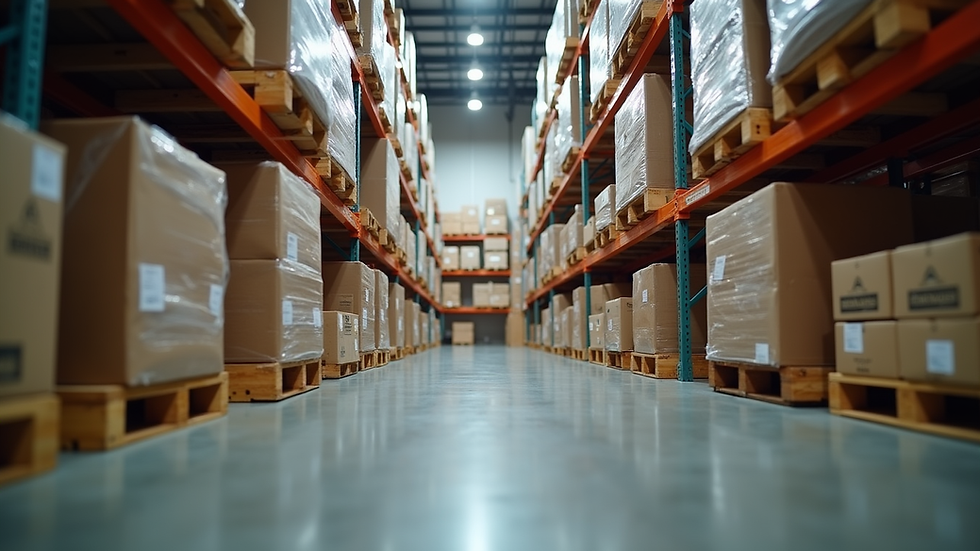
Understanding Food Liquidation Pallets: Unlocking Food Liquidation Deals
When you’re looking to save money and stock up on food inventory, food liquidation pallets can be a game-changer. These pallets offer a unique opportunity to purchase large quantities of food products at deeply discounted prices. But what exactly are food liquidation pallets? How do they work? And how can you make the most of these deals? I’m here to walk you through everything you need to know.
Whether you run a salvage grocery store, a deep discount retail outlet, or manage inventory for an institution or small business, understanding food liquidation pallets can help you stretch your budget and increase your product variety. Let’s dive in.
What Are Food Liquidation Pallets?
Food liquidation pallets are bulk shipments of food products that retailers, manufacturers, or distributors sell off at reduced prices. These pallets often contain overstock, closeouts, discontinued items, or products nearing their sell-by dates. The goal is to clear inventory quickly, so buyers get excellent deals.
You might find pallets filled with canned goods, snacks, beverages, frozen foods, or even specialty items. The condition of the products can vary, but most are still safe and suitable for sale or use.
Here’s why food liquidation pallets are so popular:
Cost savings: You pay a fraction of the retail price.
Bulk buying: Get large quantities in one purchase.
Variety: Pallets often contain mixed products, allowing you to diversify your stock.
Sustainability: Buying liquidation pallets helps reduce food waste.
If you want to explore options, check out liquidation food pallets for a wide selection of deals.

How Food Liquidation Deals Work
Food liquidation deals come from various sources. Retailers might liquidate products due to overstock or seasonal changes. Manufacturers may clear out excess inventory or discontinued lines. Distributors sometimes sell pallets to free up warehouse space.
Here’s how the process typically works:
Sourcing: You find a reputable liquidator or wholesaler offering food pallets.
Selection: Choose pallets based on product type, quantity, and condition.
Purchase: Buy pallets at wholesale prices, often with no minimum order.
Shipping: Pallets are shipped directly to your location or a distribution center.
Resale or Use: You sell the products in your store or use them in your business.
One key to success is understanding the condition of the products. Some pallets may include items close to expiration, so it’s important to check dates and quality before buying. Many liquidators provide detailed manifests or product lists to help you make informed decisions.

Tips for Buying Food Liquidation Pallets
Buying food liquidation pallets can be a fantastic way to save money, but it requires some strategy. Here are my top tips to help you get the best deals and avoid common pitfalls:
Research the seller: Work with trusted liquidators who have good reviews and clear policies.
Understand the product condition: Ask for detailed manifests and check expiration dates.
Start small: If you’re new to liquidation, buy a smaller pallet first to test the quality.
Plan your storage: Make sure you have enough space to store pallets safely.
Know your market: Choose products that will sell well in your store or meet your business needs.
Negotiate shipping: Shipping costs can add up, so look for deals or local pickup options.
Inspect on arrival: Check the pallet immediately for damage or missing items.
By following these tips, you can maximize your savings and keep your customers happy with quality products.
Why Businesses Choose Food Liquidation Pallets
Many businesses turn to food liquidation pallets because they offer a unique combination of affordability and variety. Here’s why they’re a smart choice:
Lower overhead costs: Buying in bulk reduces per-unit costs.
Flexibility: Pallets come in different sizes and product mixes.
Quick inventory turnover: You can replenish stock fast without waiting for new shipments.
Opportunity to test new products: Liquidation pallets often include items you might not find elsewhere.
Support for sustainability: You help reduce food waste by purchasing products that might otherwise be discarded.
For small businesses and discount retailers, these benefits translate into better margins and more competitive pricing. Institutions like schools or shelters can also benefit by stretching their food budgets further.
How to Get Started with Food Liquidation Pallets
Ready to jump in? Here’s a simple step-by-step guide to get started with food liquidation pallets:
Identify your needs: What types of food products do you want? How much storage space do you have?
Find a reliable supplier: Look for wholesalers with a good track record and transparent listings.
Review product details: Check manifests, expiration dates, and product conditions.
Place your order: Choose pallets that fit your budget and business goals.
Arrange shipping or pickup: Coordinate logistics to receive your pallets safely.
Inspect and organize: Check your shipment and organize products for sale or use.
Monitor sales and inventory: Track how well the products perform and adjust future orders accordingly.
Starting with a clear plan will help you avoid surprises and make the most of your investment.
Food liquidation pallets are a powerful tool for businesses looking to save money and expand their product offerings. By understanding how these deals work and following best practices, you can unlock incredible value and keep your shelves stocked with quality food items.
If you want to explore options and find great deals, be sure to check out liquidation food pallets and start saving today!